
Thailand kimmassagespa.com is widely recognized for its tropical beaches, vibrant markets, historic temples, and delicious cuisine. However, another aspect of the country’s appeal lies in its local wellness traditions, which offer travelers a deeper understanding of Thai culture. From traditional massage and herbal preparations to mindfulness practices and community lifestyles, wellness experiences reveal how local people approach balance and relaxation. Exploring these traditions allows visitors to discover Thailand beyond its familiar tourist attractions while developing a greater appreciation for its cultural heritage.
Discovering the Cultural Roots of Thai Wellness
Thai wellness traditions have developed through centuries of cultural exchange, traditional knowledge, and local practices. Influences from neighboring Asian societies, Buddhist philosophy, and regional healing traditions have contributed to Thailand’s diverse approaches to well-being. These influences can be seen in traditional massage techniques, herbal applications, and practices that emphasize harmony between the body and mind. Learning about this background helps travelers understand that wellness in Thailand represents more than a modern tourism trend.
Traditional Thai Massage as a Cultural Experience
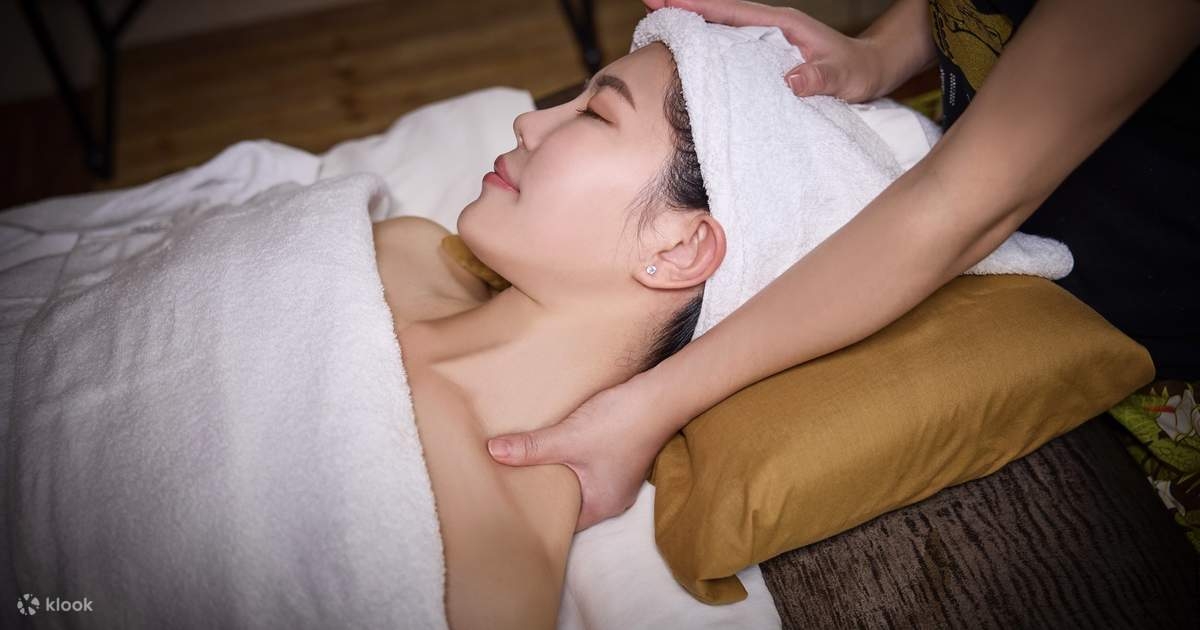
Traditional Thai massage provides visitors with an opportunity to experience an important part of Thailand’s living heritage. The practice commonly incorporates rhythmic pressure, assisted stretching, and guided body movements rather than relying exclusively on oils. Its techniques have been passed through generations and adapted to different settings. Experiencing a professionally delivered treatment can introduce travelers to traditional knowledge while highlighting the importance of practitioner skill, respectful communication, and individual comfort.
Exploring the Heritage of Thai Herbal Remedies
Herbal ingredients occupy an important place in Thailand’s culinary and traditional wellness culture. Lemongrass, ginger, turmeric, kaffir lime, and other plants are familiar elements of local life. Depending on the establishment, selected ingredients may appear in herbal compresses, aromatic treatments, or bathing experiences. Travelers can learn about these ingredients by visiting local markets or asking knowledgeable practitioners about their preparation. Such experiences provide cultural insight, although traditional herbal practices should not automatically be interpreted as medically proven treatments.
Mindfulness and the Influence of Buddhist Traditions
Buddhist traditions have shaped many aspects of Thai society, including approaches to mindfulness, compassion, and personal reflection. Visitors may encounter quiet meditation spaces, temple activities, or wellness programs that introduce basic breathing and awareness practices. These experiences offer a different pace from busy sightseeing schedules. Travelers should remember that Buddhist practices have religious and cultural significance, so participation should be approached respectfully rather than treated solely as entertainment.
Regional Differences in Thailand’s Wellness Culture
Thailand’s wellness traditions are not identical across every region. Northern destinations such as Chiang Mai offer opportunities to explore local markets, community crafts, and wellness establishments influenced by northern Thai culture. Bangkok combines traditional practices with contemporary urban services, while Phuket presents wellness experiences alongside coastal tourism and diverse local communities. These regional differences allow travelers to understand how geography, history, and everyday lifestyles shape the country’s broader wellness landscape.
Local Markets as Windows into Traditional Knowledge
Local markets provide an engaging way to discover the ingredients and objects associated with Thai wellness traditions. Visitors may find fresh herbs, aromatic products, traditional balms, and locally prepared foods. Observing how these products are presented and used can reveal connections between wellness, cooking, trade, and family traditions. Asking vendors polite questions, purchasing responsibly, and respecting local customs can turn an ordinary shopping trip into a meaningful cultural encounter.
The Connection Between Thai Cuisine and Everyday Well-Being
Food is another important part of understanding local wellness culture in Thailand. Thai cuisine combines herbs, vegetables, spices, and varied cooking techniques to create distinctive flavors. Many traditional meals include ingredients such as ginger, lemongrass, and galangal, which also appear in cultural discussions about herbal practices. Exploring regional dishes helps visitors appreciate the relationship between food, local agriculture, and everyday life without assuming that particular meals can prevent or cure medical conditions.
Community Traditions and the Value of Slow Travel
Travelers can gain cultural depth by spending time in local communities instead of concentrating exclusively on major attractions. Visiting neighborhood businesses, participating in appropriate cultural workshops, or exploring quieter streets creates opportunities to observe everyday Thai life. Combining these activities with wellness experiences encourages a slower travel rhythm. It also allows visitors to recognize that cultural traditions are maintained by real communities whose knowledge and livelihoods deserve appreciation and respect.
Choosing Responsible and Authentic Wellness Experiences
Responsible wellness tourism begins with choosing providers who communicate clearly, maintain hygienic facilities, and respect local traditions. Visitors should review treatment descriptions, ask about practitioner experience, and confirm prices before making reservations. Cultural workshops should be conducted with permission and appropriate guidance. Travelers should also avoid establishments that make exaggerated medical claims or present traditional practices as guaranteed cures. These considerations support safer experiences while encouraging respect for the people who preserve local knowledge.
Bringing Cultural Wellness into a Thailand Itinerary
Wellness traditions can complement many types of Thailand holidays. A traveler might explore a historic neighborhood in the morning, enjoy a regional lunch, and book a traditional massage later in the day. Another visitor may prefer a guided market tour followed by a quiet meditation session. Planning activities around personal interests, transportation, and available time makes the itinerary more enjoyable. This balanced approach connects relaxation with cultural discovery instead of treating them as separate travel experiences.
How Wellness Traditions Create Lasting Travel Memories
Cultural wellness experiences often remain memorable because they encourage travelers to engage with a destination through more than sightseeing. Learning about herbal ingredients, understanding traditional massage techniques, or observing respectful mindfulness practices can provide new perspectives on Thai life. These experiences may also encourage visitors to reflect on their own routines and attitudes toward rest. Their greatest value lies in cultural understanding and personal discovery rather than expectations of dramatic physical or emotional results.
Conclusion: Experiencing Thailand Through Local Wellness Culture
Local wellness traditions add another dimension to a Thailand holiday by connecting relaxation with history, community knowledge, food, and cultural identity. Traditional massage, herbal practices, mindfulness, and regional lifestyles each offer different ways to understand the country. By choosing responsible providers and approaching local customs with curiosity, travelers can enjoy experiences that extend beyond conventional tourism. Exploring wellness culture ultimately creates a more thoughtful journey, allowing visitors to appreciate Thailand through the everyday traditions that continue to shape its communities.