 Relithe
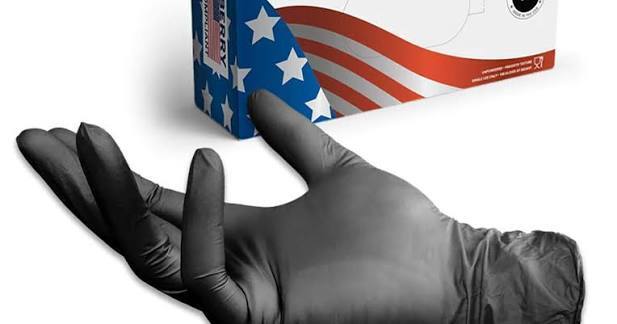
Disposable gloves play an important role in protecting workers and maintaining hygiene across American industries. Healthcare facilities, food processing plants, laboratories, and manufacturing operations rely on suitable hand protection to support daily safety procedures. As businesses evaluate their supply chains, Made-in-USA disposable gloves can attract attention because domestic production may offer advantages in supplier communication, production oversight, and access to locally manufactured products.
Choosing the right gloves involves more than comparing prices. Companies must consider product specifications, workplace hazards, quality requirements, and supply availability. Businesses exploring https://www.glovesupply.us/ can evaluate different options based on their operational needs and the standards applicable to their industries.
Many American businesses consider Made-in-USA disposable gloves when evaluating domestic sourcing options, product quality, and workplace protection requirements.
Supporting American Manufacturing
Domestic glove manufacturing can contribute to the broader American industrial economy by supporting production facilities, technical jobs, packaging operations, and distribution networks. Purchasing domestically manufactured products may also help businesses develop closer relationships with suppliers and improve visibility into certain stages of the production process.
However, domestic manufacturing does not automatically guarantee superior quality or uninterrupted availability. Buyers should verify where products are manufactured, review supplier documentation, and assess whether production capacity meets their purchasing requirements. Clear information about product origin helps businesses make informed sourcing decisions.
Improving Workplace Safety and Product Quality
Disposable gloves serve as an important barrier against selected contaminants and workplace substances when users choose products designed for their specific tasks. In healthcare settings, appropriate examination gloves help support infection prevention procedures. In food processing, suitable gloves can assist hygiene practices, while industrial workers may require materials with resistance to particular oils or chemicals.
Quality control remains essential regardless of manufacturing location. Businesses should evaluate glove thickness, fit, durability, applicable certifications, and material compatibility. Nitrile, latex, and vinyl gloves each have different characteristics, so the appropriate choice depends on the intended application rather than country of origin alone.
Strengthening Supply Chain Reliability
Supply chain disruptions can affect businesses that depend on disposable gloves for continuous operations. Domestic suppliers may offer shorter shipping routes for certain orders and provide opportunities for more direct communication about production schedules. These advantages can help purchasing teams coordinate inventory planning and respond to changing demand.
Nevertheless, actual delivery performance depends on production capacity, transportation arrangements, raw material availability, and order volume. Companies should compare supplier lead times, minimum order quantities, and inventory policies before committing to a sourcing strategy. Maintaining suitable backup suppliers can also reduce the impact of unexpected shortages.
Made-in-USA Disposable Gloves for Different Industries
Different industries require different glove specifications. Hospitals and laboratories may prioritize products that meet relevant medical or laboratory standards, while food manufacturers need gloves suitable for their intended food-contact applications. Automotive facilities and industrial maintenance teams may focus on chemical compatibility, grip, and resistance to damage.
Purchasing teams should therefore assess the hazards associated with each task before selecting a product. Reviewing American-made glove manufacturing standards can help buyers identify relevant quality documentation and evaluate whether a product meets their operational requirements.
Evaluating Quality in Made-in-USA Disposable Gloves
When comparing suppliers, businesses should review manufacturing origin claims, product specifications, quality assurance procedures, and order fulfillment capabilities. They should also confirm whether products meet applicable federal, state, and industry requirements. These checks help organizations distinguish between products manufactured domestically and those merely packaged or distributed within the United States.
Cost remains another consideration. Unit price should be evaluated alongside durability, replacement frequency, shipping expenses, and the level of protection required. A thorough supplier assessment allows American businesses to balance purchasing costs with workplace safety, product suitability, and supply chain needs.